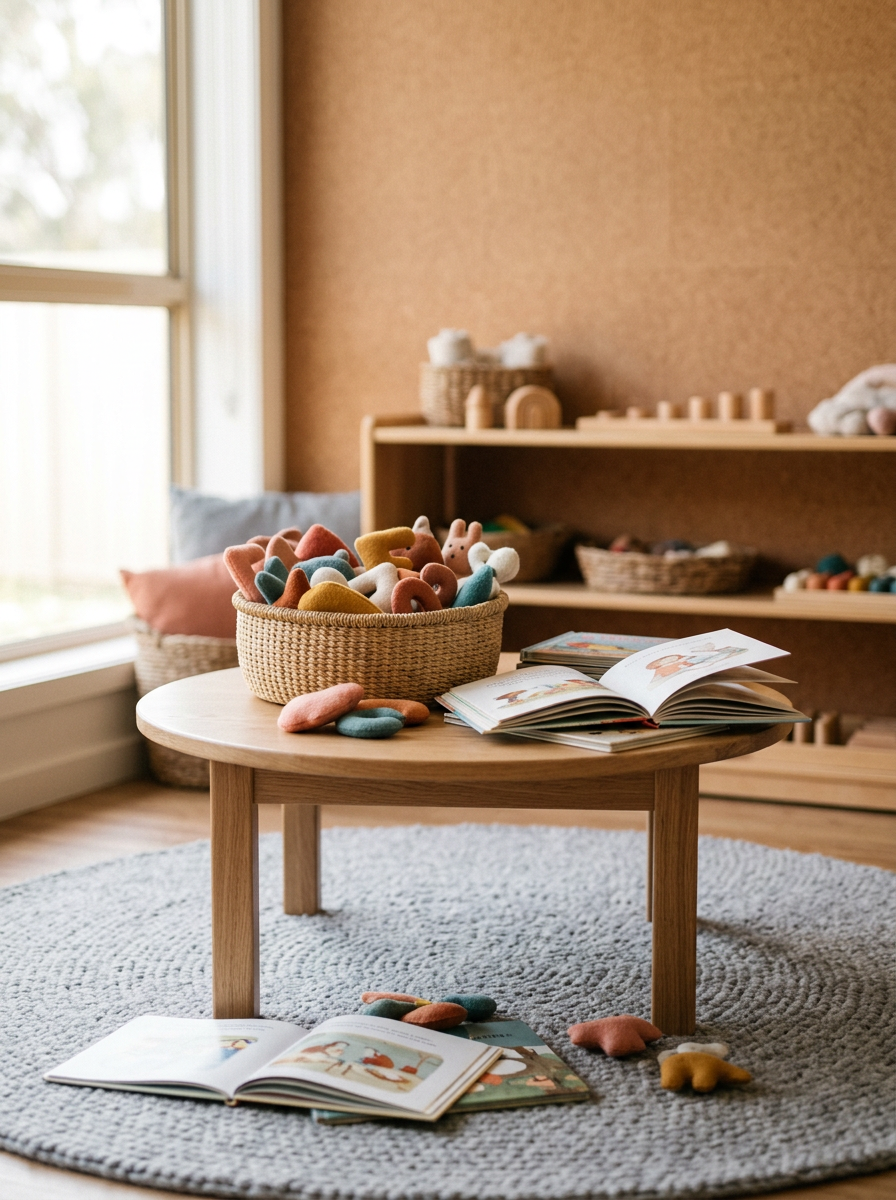

Supporting social and emotional learning from the beginning
Social and emotional learning is essential for children's success in school and throughout life. social and emotional learning helps children build relationships, manage and understand their emotions and others emotions, solve problems, and make responsible decisions. Educators play an important role in creating safe, supportive environments where students can develop these skills. This website explores how development begins before birth, continues throughout childhood, and provides strategies families and teachers can use to support social emotional growth.
Why Early Development Matters

The Impact of Prenatal Development and Early Childhood experiences
Development begins before a child enters the classroom setting. Health prenatal development can significantly influence later social and emotional outcomes. During pregnancy proper nutrition, regular prenatal care, and reducing exposure to harmful substances all contribute to healthy brain development. maternal stress, substance use, poor nutrition, or lack of prenatal care may increase the risk of emotional, behavioral, and learning challenges later on.
Early childhood experiences have a lasting impact on adolescent development. Children who experience positive, loving relationships, consistent routines, and healthy interactions develop stronger confidence, social skills, and emotional regulation. On the other hand children who experience chronic stress, trauma, neglect, or adverse childhood experiences can have increased risk of anxiety, depression, behavioral concerns, and difficulty regulating emotions.
By understanding these early influences, educators can better understand and support students through empathy, building relationships, and trauma informed practices.
Developmental Milestones

Prenatal stage
Social/Emotional Milestones
- Brain structures responsible for emotions begin to develop
- The baby's nervous system starts responding to external stimuli
- Maternal stress and emotional health can influence fetal brain development
Family education
- Healthy prenatal care and child development
- local resources
Infancy (Birth-12 Months)
Social/Emotional Milestones
- Develops secure attachments
- Begins smiling, laughing, and responding to familiar people
- Shows basic emotions like happiness, frustrations, and fear
Classroom Strategies
- Responsive care giving- respond to babies' cries and cues, build trust through nurturing Interactions.
- face-to-face play- use songs, peek-a-boo, and imitation games to encourage emotional interactions.


Early Childhood (Ages 3-5)
Social/Emotional Milestones
- Begins to identify their emotions
- Develops empathy
- Learns to share and cooperate
- Starts solving simple problems with guidance
Classroom strategies
- Feelings check in- allow students to choose an emotion picture or fill out a feelings chart in the morning
- Role-playing-practice sharing, taking turns, problem solving, and kindness through dramatic play.

What is Self-Regulation?
Self-regulation is recognizing, control, and manage emotions, thoughts, and behaviors in different situations. Self-regulation helps children stay focused, solve problems, and respond appropriately instead or reacting impulsively.
examples:
- Taking deep breaths
- Using words instead of hitting
- Staying focused during independent work
- Waiting patiently for a turn
- Asking for help when frustrated
How Teachers can Support Self-Regulation
- Model calm behavior- teachers can talk calmly, take deep breaths, and problem solve to show students positive self-regulation skills.
- Teach coping skills- a calm down corner including fidgets, feeling charts, breathing cards, and sensory items.
- Establish Predictable Routines- schedules and routines help children know what to expect and reduce anxiety. Visual schedules and transitions can support emotional regulation.
Helping Families Support Social-Emotional Development
Social/Emotional development
families can:
- reduce stress during pregnancy
- attend regular prenatal appointments
- respond to cues
- read books
- play interactive games
- maintain routines
- talk about emotions
- practice taking turns
- talk through problems
Self-Regulation
families can:
- practice taking deep breaths
- use a feelings chart
- model positive coping skills
- consistent daily routines
- create a calm down space


Why Social-Emotional Learning Matters
Research shows children with strong social-emotional skills are more likely to:
- Build healthy relationships
- perform better academically
- show improved behavior
- become confident learners
- develop resilience

References:
Malik, F., & Marwaha, R. (2022, September 18). Developmental Stages of Social Emotional Development in Children. National Library of Medicine; StatPearls Publishing. https://www.ncbi.nlm.nih.gov/books/NBK534819/
Resources for Patients & Families | Missouri PQC. (2026). Missouri PQC. https://mopqc.org/patient-resources/
Virtual Lab School. (2021). Social-Emotional Development: Preschool Children | Virtual Lab School. Www.Virtuallabschool.Org. https://www.virtuallabschool.org/preschool/social-and-emotional-development/lesson-2
Wall, K. M. (2024). Introduction: Pregnancy and Child Development. The Yale Journal of Biology and Medicine, 97(1), 1. https://pmc.ncbi.nlm.nih.gov/articles/PMC10964820/
Create Your Own Website With Webador